CASE STUDY: HOW JON SWEENEY CUT VACANCY TIME WITH SNAPSNAPSNAP
Jon Sweeney, Director of Property Operations, manages a 680-unit portfolio across the San Diego and Orange County rental markets and, like most property managers, he knows one thing: if the photos don’t work, the listing doesn’t either.
Tenants in these markets move quickly. If a listing doesn’t clearly show the space, it stalls, and every stalled listing is lost rent.
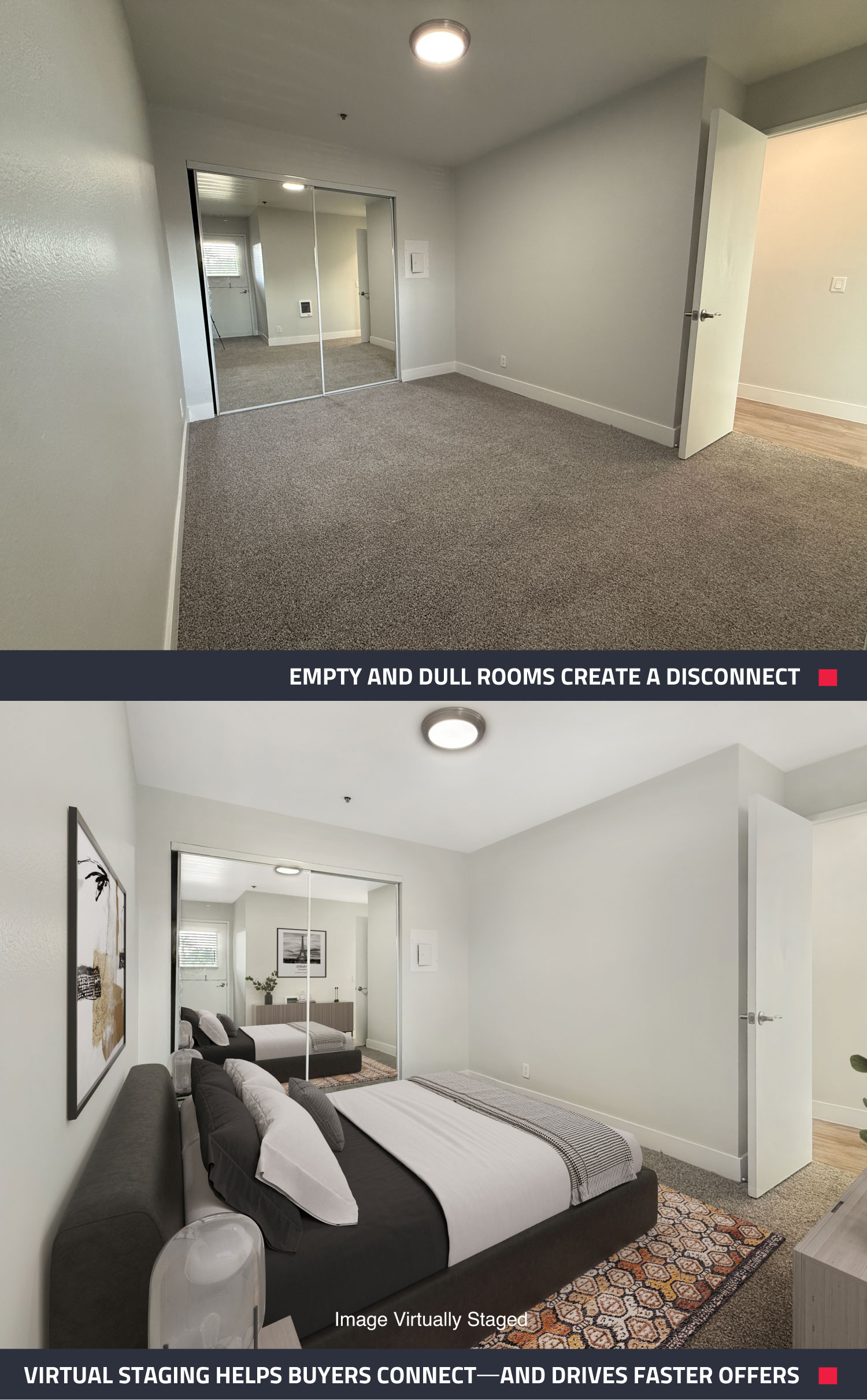
By changing how his team captures and presents listing photos, Jon improved consistency across the portfolio. In one particularly challenging apartment, a US$24 Virtual Staging edit helped transform a slow-to-lease unit into one that now rents regularly and easily.
The Property Manager
As Director of Property Operations, Jon oversees a large portfolio and is responsible for implementing systems and training teams on new tools, so any solution must perform in real-world leasing conditions, not just in theory.
The Market Reality
Renters in these markets make decisions fast. If a listing doesn’t immediately communicate the space, it stalls—and when it stalls, rent is lost each day the unit remains vacant.
Across the portfolio, Jon’s team identified a consistent pattern: listings that failed to clearly translate the space visually were the ones that struggled most to lease.
The Problem
Before SnapSnapSnap, the team relied on two inconsistent approaches:
- Fast iPhone photos that didn’t consistently present the property well
- Relying on annual professional photography sessions that captured only available units and common areas at that time
Neither approach worked reliably for day-to-day leasing.
As Jon explained, “The photos weren’t the best. They were too dark and just weren’t coming out right.”
He also highlighted a broader consistency issue across the team. Regular listing photos often failed to present units clearly, making it difficult to maintain a consistent standard across the portfolio.
There was also a structural gap in how properties were being presented online. Professional photography typically focused on vacant units and shared amenities, while tenants were making decisions about individual apartments. In many cases, the exact unit being leased wasn’t clearly represented.
This issue became especially clear in more challenging layouts.
A two-bedroom, one-and-a-half-bath apartment with a full bathroom attached only to one bedroom was difficult to lease due to its unusual configuration, which didn’t suit all renter types.
“When you walk into an empty unit, it’s hard to visualise how you’d actually use the space,” Jon explained.
Without context, empty photos left prospective renters uncertain about how the layout would function in practice.
The Shift
That’s when Jon’s team fully adopted BoxBrownie.com's SnapSnapSnap app.
Rather than adding complexity, the goal was to remove friction from the leasing process.
Instead of waiting for scheduled photography, staff could now:
- Capture bracketed listing photos directly from an iPhone
- Improve overall image quality through expert editing
- Ensure each image reflected the exact unit being leased
- Use virtual staging when a space needs added context
For the challenging two-bedroom unit, Virtual Staging helped demonstrate how the space could be furnished and used in practice, improving clarity for prospective renters.
He also highlighted a clear improvement in consistency and usability across the team:
Jon said their regular photos always came out too dark. SnapSnapSnap fixed that immediately.
“Now we can just pick and choose how many pictures we need, and we can get enough photos of the unit for about US$20. The pictures come out really nicely, and it’s easy to use.”
This made listing preparation faster, more consistent, and easier to scale across the portfolio.
The Result
The impact was evident — time on the market was more than halved.
“The apartment gets rented all the time now—it hasn’t been sitting vacant for long at all. It used to be a real struggle to get it rented,” said Jon
Across the broader portfolio, the results were consistent:
- Units that previously sat vacant for 45–60 days began leasing in around 20 days
- Listings became clearer and more consistent online
- Teams no longer depended on annual photography cycles
- Difficult layouts became easier for renters to understand
The Takeaway
Once staff could capture and improve images quickly and consistently, vacancy times dropped and leasing performance improved.
Because sometimes the difference between a 60-day vacancy and a 20-day lease isn’t the property itself.
It’s whether renters can see it clearly enough to say yes.
RELATED ARTICLES
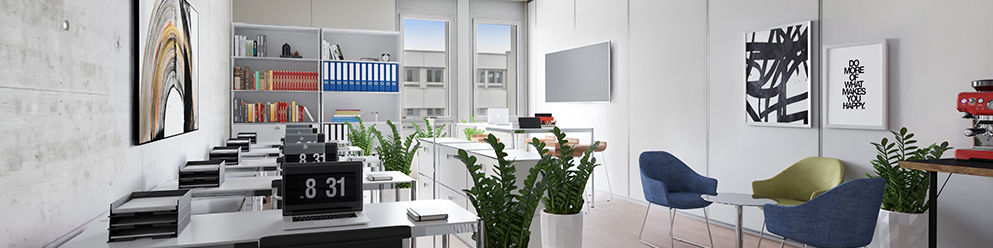
Expanding their successful relationship, computer vision company GeoCV and BoxBrownie.com are now servicing the commercial industry.
READ MORE
Get your team 2026-ready with our free property marketing training! We tailor each session to your team’s needs — from cost-effective photography that streamlines your marketing to creating listings that stop the scroll. Save time, boost results, and start January strong.
READ MORE
Agents across the globe swear by the power of Virtual Staging, but many don't realize they can shoot these images with their own smartphone. This post walks you through just how easy it is, so you'll never be deprived of this phenomenal marketing tool.
READ MORE
Great photos drive bookings in the short-stay rental market. Discover how The Holiday Home Girls help owners style properties, capture standout images, and use SnapSnapSnap with BoxBrownie.com to create polished, booking-ready listing photos.
READ MORE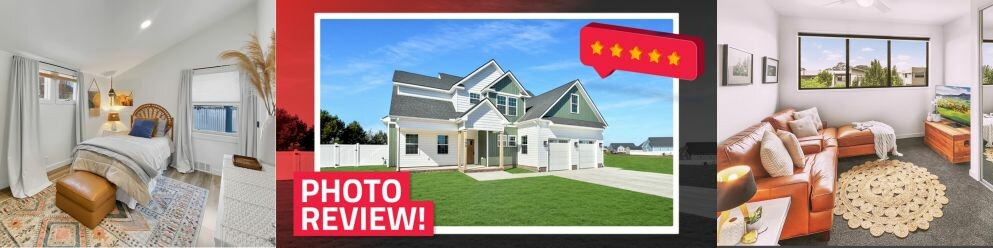
In our latest video, Brad shares essential photography tips while reviewing images taken by real estate agents with SnapSnapSnap. Find out what works and what can be improved. With Brad’s insights – you can maximize every shot you take!
READ MORE
You’ve heard of ‘one step at a time’. Well, if you want to succeed in real estate, you better start thinking along the lines of 10 steps at a time. Because that’s what you’ll have to do to succeed long-term in this cutthroat industry.
READ MORE